 Future Of Software
Lightning talk20min
The Future of Open Source Has New Faces
The talk shows how open source is becoming more accessible, using the speaker’s path from coding school to merged OpenTelemetry contributions. It covers the work behind a first PR, changing maintainer roles, and why barriers to entry are falling for new contributors without traditional backgrounds.
talk.summaryAiDisclaimer
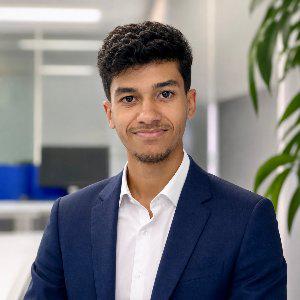
Mohammed Abdessetar ElyagoubiSofrecom Services Maroc
talkDetail.whenAndWhere
Thursday, November 5, 17:30-17:50
TBA 3
talks.roomOccupancytalks.noOccupancyInfo
AI is changing who can contribute to open source, but it is not lowering the trust bar.
Through my contributions to OpenTelemetry Java, I will show how AI can help a new contributor navigate a large codebase, investigate bugs, and move faster. But getting a patch merged still requires understanding the problem, testing the fix, explaining decisions, and surviving maintainer review.
This talk is not about submitting AI-generated pull requests. It is about what happens when writing code becomes easier, while reviewing and trusting that code stays hard.
My argument is simple: the on-ramp changed, the bar did not. The next generation of contributors will have new backgrounds, new tools, and new ways into open source. Maintainers will need to adapt without lowering the standards that keep projects trustworthy.
Through my contributions to OpenTelemetry Java, I will show how AI can help a new contributor navigate a large codebase, investigate bugs, and move faster. But getting a patch merged still requires understanding the problem, testing the fix, explaining decisions, and surviving maintainer review.
This talk is not about submitting AI-generated pull requests. It is about what happens when writing code becomes easier, while reviewing and trusting that code stays hard.
My argument is simple: the on-ramp changed, the bar did not. The next generation of contributors will have new backgrounds, new tools, and new ways into open source. Maintainers will need to adapt without lowering the standards that keep projects trustworthy.
Mohammed Abdessetar Elyagoubi
I'm a Software Engineer at Sofrecom Services Maroc (Orange Group), where I build microservices-based backend systems on PaaS. I was a student at YouCode, Université Mohammed VI Polytechnique. I actively contribute to open source. I've had multiple pull requests merged into the OpenTelemetry Java SDK, including a bug fix preventing silent data loss in async metrics. I build across the stack: from automated Darija-language media pipelines and AI agents to electronics embedded projects. I organize hackathons and workshops in the Moroccan tech community, and I'm passionate about making developer knowledge accessible in Morocco and beyond