 DevOps
Byte size15min
Understanding the EU Cyber Resilience Act: What It Means for Open Source
This talk clarifies the EU Cyber Resilience Act's impact on open source, explaining which obligations apply, the "commercial use" trigger, and compliance steps for maintainers and users. It offers practical guidance on vulnerability disclosure, documentation, and SBOMs to help open source projects and enterprises stay secure and CRA-compliant.
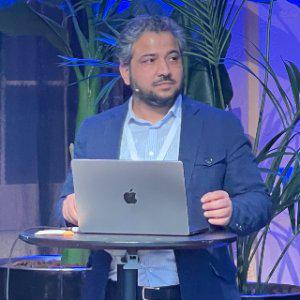
Atiq AmjadKaleido Ventures
talkDetail.whenAndWhere
Thursday, April 2, 13:50-14:05
Zaal 10
talks.roomOccupancytalks.noOccupancyInfo
The EU Cyber Resilience Act (CRA) aims to make all digital products placed on the EU market more secure, but what does that mean for open source projects that power nearly every application?
This talk separates fact from fear. We’ll unpack which obligations apply (and don’t apply) to open source software, how the "commercial use" trigger works, and what maintainers and enterprise users should prepare for. We’ll explore lightweight ways to handle vulnerability disclosure, documentation, and software bills of materials (SBOMs) that keep communities compliant and resilient.
Learning objectives:
This talk separates fact from fear. We’ll unpack which obligations apply (and don’t apply) to open source software, how the "commercial use" trigger works, and what maintainers and enterprise users should prepare for. We’ll explore lightweight ways to handle vulnerability disclosure, documentation, and software bills of materials (SBOMs) that keep communities compliant and resilient.
Learning objectives:
- Understand the Cyber Resilience Act’s core goals and how it affects open source.
- Distinguish between non-commercial open source projects and “placed on the market” distributions.
- Learn practical steps for maintainers and companies using open source to stay CRA-ready (vulnerability management, SBOMs, documentation).
Atiq Amjad
A lifelong Java enthusiast turned CTO with experience in software engineering, system architecture, cloud computing, and digital transformation. From building enterprise-scale applications to integrating blockchain and digital twins into cloud-native platforms, I have led global teams across Europe, the Middle East, and Asia. My current focus is on modernizing supply chains through secure, scalable, intelligent solutions with a firm nod to sustainability and open-source innovation.
talkDetail.shareFeedback
talkDetail.feedbackNotYetAvailable
talkDetail.feedbackAvailableAfterStart
talkDetail.signInRequired
talkDetail.signInToFeedbackDescription
occupancy.title
occupancy.votingNotYetAvailable
occupancy.votingAvailableBeforeStart
talkDetail.signInRequired
occupancy.signInToVoteDescription
comments.speakerNotEnabledComments