 Security
Conference - Short25min
Prompt Injection in CI/CD: When AI Agents Execute Untrusted Input
This talk reveals how AI agents embedded in CI/CD pipelines introduce new vulnerabilities. Using real-world GitHub Actions cases, it shows how prompt injection can turn untrusted input into privileged commands. The session outlines attack chains, architectural flaws, and practical defenses for securing AI-integrated build systems against trust-boundary violations.
talk.summaryAiDisclaimer
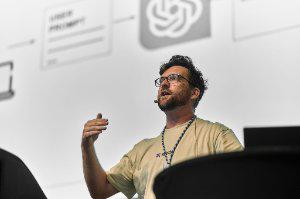
Mackenzie JacksonAikido Security
talkDetail.whenAndWhere
Friday, June 19, 12:50-13:15
Room 2
AI agents are rapidly being embedded into CI/CD pipelines to triage issues, review pull requests, and automate development workflows. When those agents run with repository write access, shell execution, and privileged tokens, a new attack surface emerges.
Our team uncovered a vulnerability pattern in real-world GitHub Actions workflows, including Google’s Gemini CLI integration, where prompt injection allowed untrusted input to influence privileged automation. By embedding malicious instructions inside issue titles or pull request descriptions, attackers could trigger shell commands, access secrets, and manipulate repository state through the AI agent itself.
This exposed a structural flaw in how AI agents are integrated into CI systems. When untrusted text is combined with high-privilege tooling, the agent effectively becomes a command interpreter.
In this session, we break down:
AI is becoming part of build infrastructure. Security architecture must evolve with it.
Our team uncovered a vulnerability pattern in real-world GitHub Actions workflows, including Google’s Gemini CLI integration, where prompt injection allowed untrusted input to influence privileged automation. By embedding malicious instructions inside issue titles or pull request descriptions, attackers could trigger shell commands, access secrets, and manipulate repository state through the AI agent itself.
This exposed a structural flaw in how AI agents are integrated into CI systems. When untrusted text is combined with high-privilege tooling, the agent effectively becomes a command interpreter.
In this session, we break down:
- How prompt injection leads to tool invocation inside CI
- Why AI agents amplify trust boundary mistakes
- The full exploitation chain from issue text to shell access
- Architectural controls to prevent similar failures
AI is becoming part of build infrastructure. Security architecture must evolve with it.
Mackenzie Jackson
Mackenzie Jackson grew up in a traveling circus in New Zealand (yes, really) and traded juggling fire for something even more dangerous: application security. At Aikido Security, he helps developers understand how hackers actually break things. He’s a former founder and CTO, spoken in 30+ countries, hosts The Disclosure Podcast, and still insists New Zealand makes the best coffee.