 People, Practices & Career
Keynote50min
Machines, Learning, and Machine Learning
The talk argues that the key question is not what to learn, but how to learn and get started. It explores motivation, modern learning tools, product vs. program thinking, open source success, framework proliferation, and the realities of turning code into customer-ready products.
talk.summaryAiDisclaimer
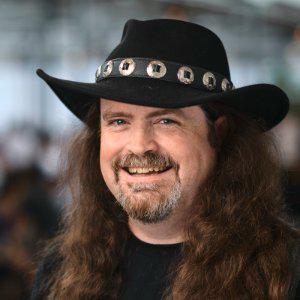
Dylan Beattie 🇪🇺 @ 🏡🔑🔽Ursatile
talkDetail.whenAndWhere
Saturday, November 21, 11:40-12:30
Room 1 - Thessaloniki
talks.roomOccupancytalks.noOccupancyInfo
It wasn’t all that long ago that “learn to code” was failsafe career advice, and whether you were studying for a university degree, enrolling in a coding bootcamp or just hacking on open source, the prospect of a well-paid job at the end of it was all the motivation you needed… well, times change. Whether you’re looking for your first tech job or your next consulting contract, it’s tough out there, and naturally, people are asking “what should I be learning next?”
What if that’s the wrong question? What if the real question isn’t what you learn, but how you learn it - and how to get started? Let’s talk about motivation. Let’s talk about all the wonderful tools and systems out there that make it easier than it’s ever been to start exploring new languages and platforms, from Copilot and ChatGPT, to cloud IDEs and IOT microcontrollers. Let’s talk about the all-important difference between programs and products; about the challenges of going from “hey, it works on my machine” to something customers will actually pay for. We’ll find out why open source projects succeed where well-funded corporate projects fail, why are there so many JavaScript frameworks – and why you’re still sitting up writing code at 3am, even though you know you have work in the morning.
What if that’s the wrong question? What if the real question isn’t what you learn, but how you learn it - and how to get started? Let’s talk about motivation. Let’s talk about all the wonderful tools and systems out there that make it easier than it’s ever been to start exploring new languages and platforms, from Copilot and ChatGPT, to cloud IDEs and IOT microcontrollers. Let’s talk about the all-important difference between programs and products; about the challenges of going from “hey, it works on my machine” to something customers will actually pay for. We’ll find out why open source projects succeed where well-funded corporate projects fail, why are there so many JavaScript frameworks – and why you’re still sitting up writing code at 3am, even though you know you have work in the morning.
Dylan Beattie 🇪🇺 @ 🏡🔑🔽
Dylan Beattie is a consultant, software developer and international keynote speaker. He's been building data-driven web applications since the 1990s; he's managed teams, taught workshops, and worked on
everything from tiny standalone websites to complex distributed systems. He's a Microsoft MVP, and
he regularly speaks at conferences and user groups all over the world.
Dylan is the creator of the Rockstar programming language, the director of Ursatile, and the founder of The Linebreakers, the world's greatest tech comedy party rock band. He's online at dylanbeattie.net and on Bluesky as @dylanbeatt.ie.
everything from tiny standalone websites to complex distributed systems. He's a Microsoft MVP, and
he regularly speaks at conferences and user groups all over the world.
Dylan is the creator of the Rockstar programming language, the director of Ursatile, and the founder of The Linebreakers, the world's greatest tech comedy party rock band. He's online at dylanbeattie.net and on Bluesky as @dylanbeatt.ie.