 People, Practices & Career
Conference40min
Open Source, Open Mind: The Cost Of Free Software
This talk explores the history, meaning, and economics of free software—from early open-source roots to GitHub and package managers. It examines why people give code away, licensing and legal issues, edge cases, and whether a sustainable open-source ecosystem is possible.
talk.summaryAiDisclaimer
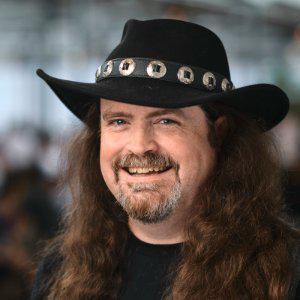
Dylan BeattieUrsatile
talkDetail.whenAndWhere
Saturday, November 21, 17:10-17:50
Room 3 - Alexandros
Free lunch, free speech, free time, free spirit… when we talk about something being “free”, that’s normally a good thing. But as anybody who’s ever given away their software for free will know, it’s not that simple - and sometimes, it’s not clear what “free software” even means.
At one end of the scale, volunteers use free software to resurrect old laptops, turning e-waste into useful tools they can donate to worthy causes. At the other end of the scale, tech giants use free software packages to create products which generate millions of dollars in profits every year - but when the creators of those packages try to recoup even a tiny part of that revenue, social media goes into an angry meltdown.
Join Dylan Beattie for a look at the past, present, and future of free software. We’ll talk about the history of the free software movement, from MIT’s Artificial Intelligence lab, to the shareware and public domain movement of the 1980s, to the era of GitHub and package managers. We’ll explore why people choose to give their code away for free in the first place - and what happens if they change their mind. We’ll talk about licences and legalities, we’ll learn about some of the weird and wonderful edge cases that free software has created over the years, and we’ll ask the question: is a truly sustainable open source ecosystem possible, and if so - what might it look like?
Dylan Beattie
Dylan Beattie is a consultant, software developer and international keynote speaker. He's been building data-driven web applications since the 1990s; he's managed teams, taught workshops, and worked on
everything from tiny standalone websites to complex distributed systems. He's a Microsoft MVP, and
he regularly speaks at conferences and user groups all over the world.
Dylan is the creator of the Rockstar programming language, the director of Ursatile, and the founder of The Linebreakers, the world's greatest tech comedy party rock band. He's online at dylanbeattie.net and on Bluesky as @dylanbeatt.ie.